Disclosure: This article contains referral links. If you buy through them, we may earn a small commission at no extra cost to you.
Reader tip: everything mentioned here is on trego.pk — enter code Expo5 at checkout for 5% off your entire order, sale days included.
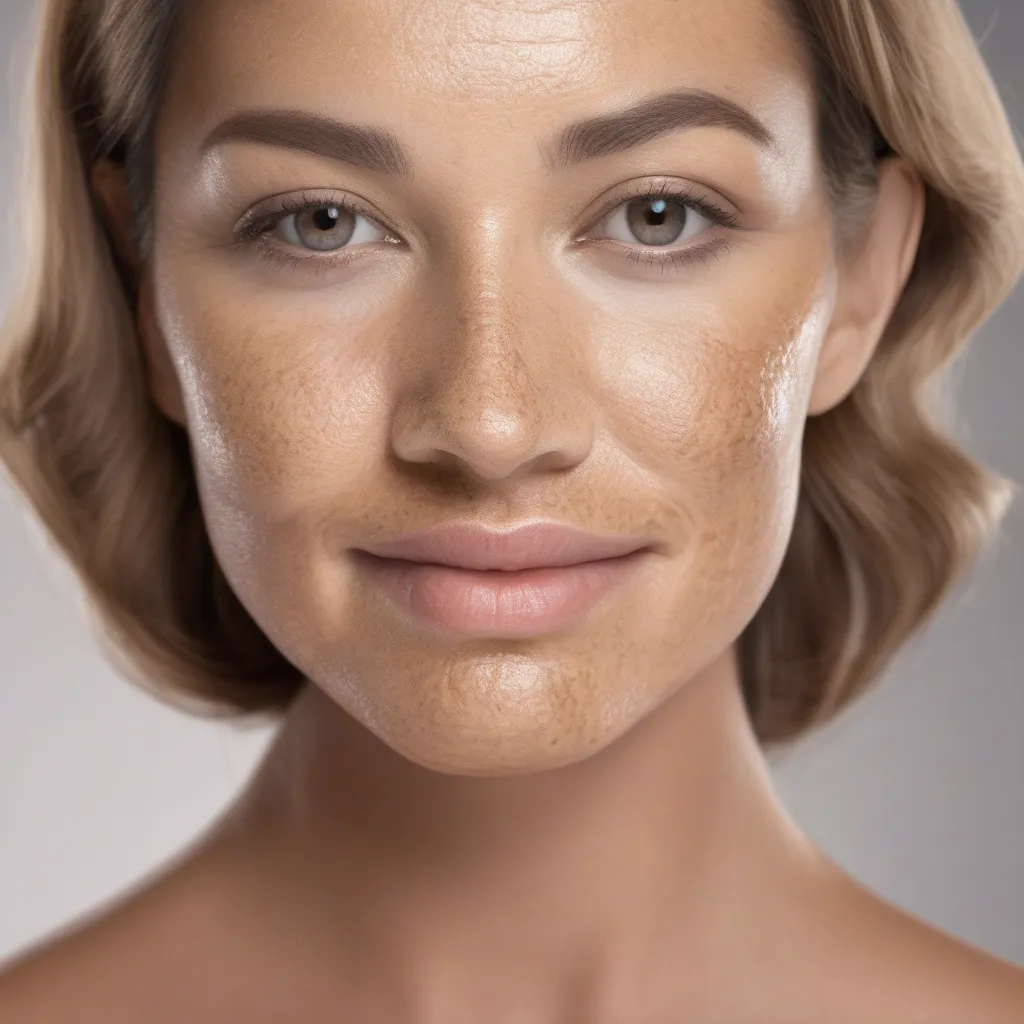
What causes combination skin is a genetic quirk — oil glands concentrated in the T-zone while cheeks run normal or dry. It is the most common skin type,, and balancing it is about zones, not one-size products.
Why combination skin happens
The forehead, nose and chin carry the densest oil glands — they produce sebum while the cheeks produce less. Genetics sets that pattern; hormones and weather shift how pronounced it gets.
How to balance it
- One gentle cleanser everywhere: the Anti-Acne Cleanser handles the oily zone without stripping cheeks.
- Zone-targeted toner: the Acne & Oil Control Toner on the T-zone only.
- Layered moisturizer: the Moisturizing Cream (around Rs.1,350) thin everywhere, extra on cheeks — see best moisturizer for combination skin.
- Niacinamide on oily zones: the Skin Lightening Serum regulates where it is needed.
What makes it worse
Treating the whole face as oily strips the cheeks; treating it all as dry congests the T-zone. Zone-thinking fixes both. See what causes oily skin and what causes dry skin for each half of the pattern.
Frequently asked questions
What causes combination skin?
Genetics — dense oil glands in the T-zone versus fewer on the cheeks; the most common skin type.
How do I care for combination skin?
Gentle cleanse everywhere, oil-control on the T-zone, extra moisture on the cheeks — treat zones separately.
Can combination skin change?
It shifts with hormones, season and age — re-check your type yearly.
Get 5% off with code Expo5
Order through Export Shelf and enter Expo5 at checkout for 5% off, sale days included. Details in the trego discount code guide.
Referral note: we may earn a commission when you buy through the links in this guide. It does not change your price — and the Expo5 code takes a further 5% off.