Disclosure: This article contains referral links. If you buy through them, we may earn a small commission at no extra cost to you.
Two ingredients dominate every dry-skin conversation — and most people use them without knowing what either actually does. If you are weighing ceramide vs hyaluronic acid, the answer is not which one is better: they do completely different jobs, and dry skin usually needs both. Here is what each one does, how they work together, and which products in Pakistan actually deliver them.
What hyaluronic acid does — the "water" ingredient
Hyaluronic acid is a humectant — it pulls water into your skin. One molecule can hold many times its weight in water, which is why hyaluronic serums deliver that plumped, hydrated feel. The problem: water that enters the skin evaporates quickly if nothing seals it in — which is why a hyaluronic serum alone can leave you feeling hydrated for an hour and dry again by afternoon.
What ceramides do — the "seal" ingredient
Ceramides are lipids — the fats that make up your skin’s protective barrier. Think of your skin cells as bricks and ceramides as the mortar holding them together: when the barrier is intact, water stays in and irritants stay out. When ceramide levels drop — from age, harsh cleansers, weather, or over-exfoliation — the barrier leaks, and no amount of humectant can fix the leak. Ceramide-rich moisturizers repair the mortar so water stays where you put it.
Why dry skin needs both
Hyaluronic acid without ceramide = water that evaporates. Ceramide without hyaluronic acid = a sealed barrier with nothing inside. The most effective dry-skin routine uses both: a humectant to pull water in, and a barrier-repairing cream to keep it there. This is exactly why the best dry-skin moisturizers pair them — the Trego formula combines hyaluronic acid with barrier-supporting lipids for both jobs in one jar.
Where to get them in Pakistan
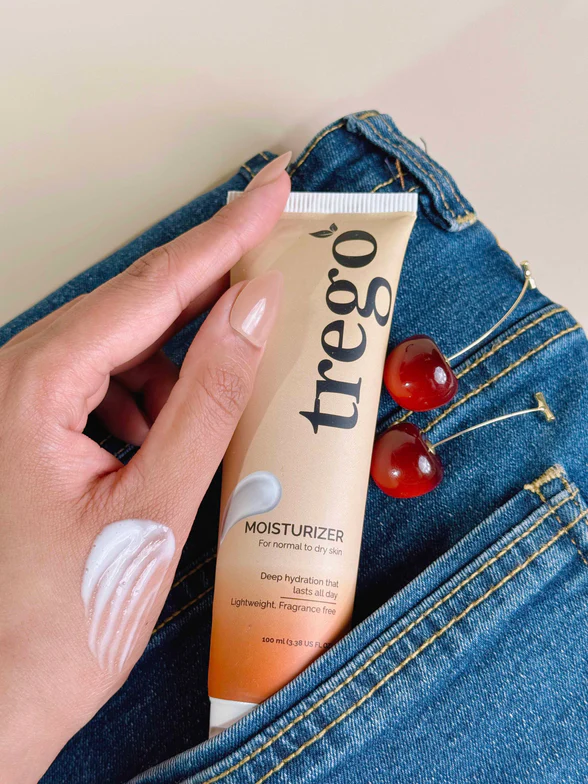
The Trego Deep Hydration Moisturizing Cream delivers both — hyaluronic acid for the water-pulling side and barrier-supporting ingredients for the sealing side, in a non-greasy formula for Pakistani humidity. The jar costs around Rs.1,360 on Export Shelf (Rs.1,120 on trego.pk) and ships across Pakistan with cash on delivery — well below the Rs.2,500+ that imported ceramide creams command through resellers.
Get 5% off with code Expo5
Order through Export Shelf — it sends you to the official Trego checkout — and enter Expo5 for 5% off your entire order. We have tested this code on our own orders and it worked every time, including on sale days. See our trego discount code guide for the walkthrough, or buy directly from the official Trego store where the code applies automatically.
How to layer them properly
- Cleanse gently first: a harsh cleanser strips the ceramides you are trying to keep — use a mild wash like the rose face wash.
- Apply humectants to damp skin: hyaluronic-based products work best when water is already on the skin — apply within a minute of washing.
- Seal with the ceramide moisturizer: the barrier cream goes on top to lock everything in.
- Protect the barrier daily: UV and sun exposure degrade ceramides — finish mornings with SPF 50++.
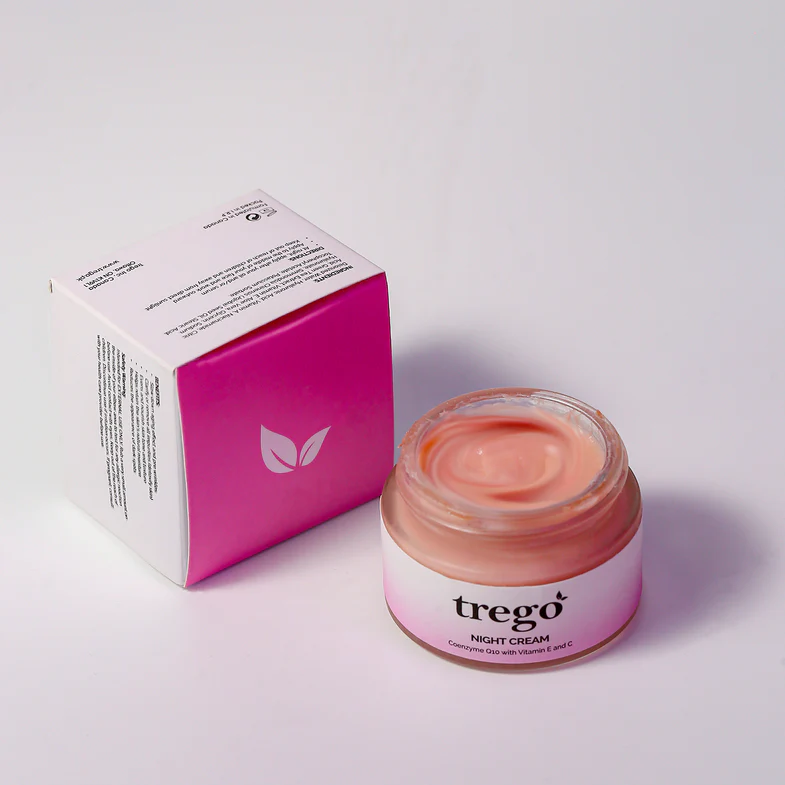
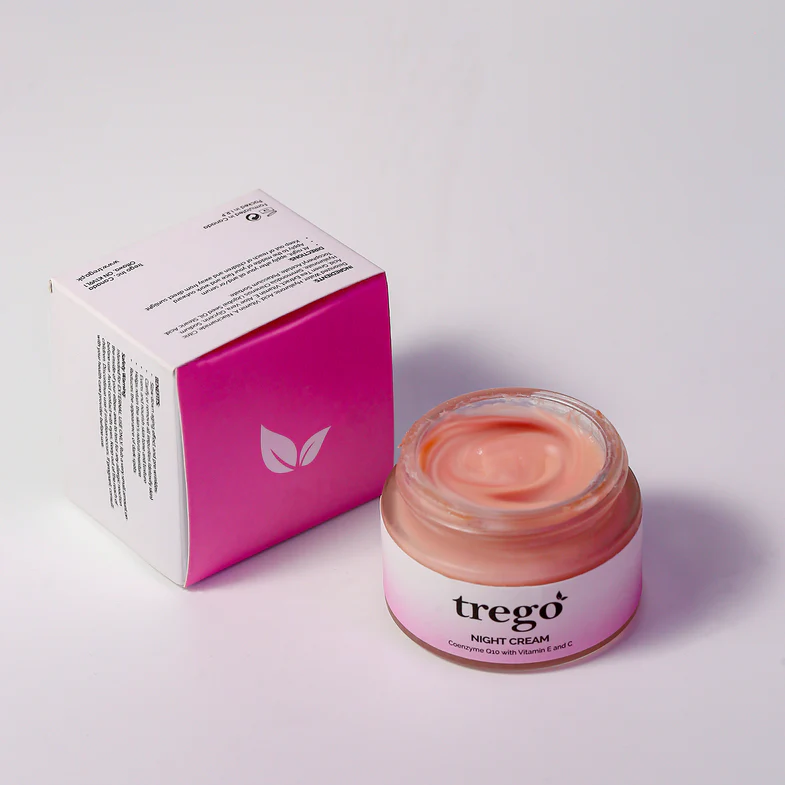
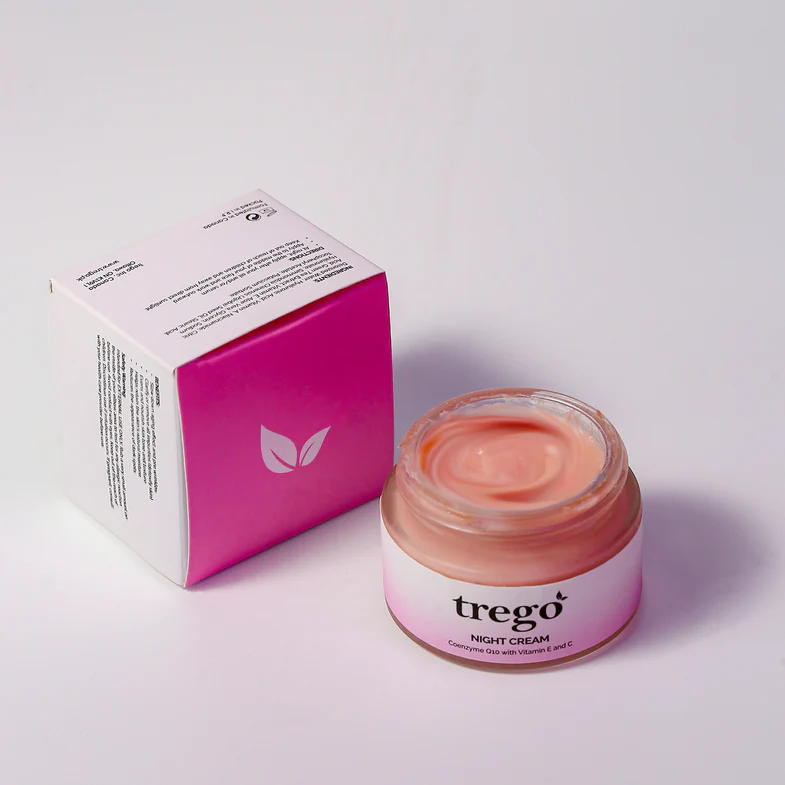
- Go heavier at night: if your skin is severely dry, the night cream works as a richer overnight seal.
Frequently asked questions
What is the difference between ceramide and hyaluronic acid?
Hyaluronic acid is a humectant that pulls water into the skin; ceramides are lipids that repair the skin’s barrier so water does not escape. They are complementary, not interchangeable.
Is ceramide or hyaluronic acid better for dry skin?
Neither alone — hyaluronic adds the water, ceramide keeps it in. For genuinely dry skin, you need both working together.
Can I use ceramide and hyaluronic acid together?
Yes — they are designed to work in sequence: hyaluronic on damp skin first, then a ceramide moisturizer on top to seal the hydration.
Do ceramides suit oily skin?
Yes — ceramides are barrier lipids, not heavy grease. A ceramide formula balances the barrier without clogging oily skin, especially in a non-comedogenic formula.
How long do ceramides take to repair skin?
Barrier repair takes consistent use over weeks — most people notice less tightness within days but full barrier restoration takes 4–6 weeks of daily use.
Referral note: we may earn a commission when you buy through the links in this guide. It does not change your price — and the Expo5 code takes a further 5% off.